Pages

Tuesday, 24 August 2021

Disability in the Paralympics
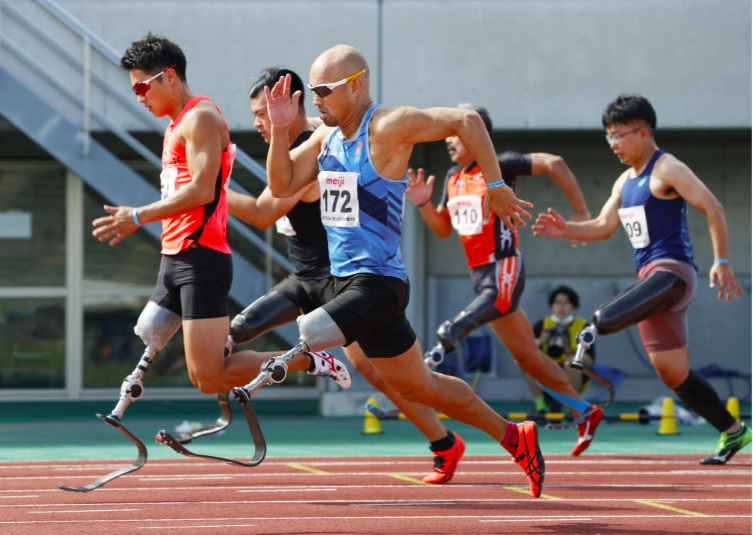
 Disability in the Paralympics


Highlight the correct answer, or type in what you think is correct.


1. The method used throughout the Paralympics movement to create and run fair athletic competitions is called


a) Ability Classification                    b) Disability Classification

c) Natural Classification                             d) Artificial Classification


2. To qualify for the Paralympics an athlete who is an amputee might have 


a) a leg missing                  b) a toe missing

c) a finger missing                   d) no hair


3. Cerebral Palsy is a genetic disease that affects


a) your height (how tall you are) b) the colour of your hair

c) how the brain works             d) how a computer works


4. List some of the problems that a person with an intellectual disability might have


→Academic performance, communication skills, community living skills,


5. True or False: An athlete with quadriplegia needs to use a wheelchair to compete


a) True b) False


6. Vision impaired athletes have lost their sense of  


a) hearing                         b) touch

c) taste                                              d) sight


7. What is the mission of Paralympic Sports?


→to help people with disabilities to have courage 


Disability

 Disability Categories in Paralympic

Fact 1 - Disability is know to be a word that explains if someone has a missing leg or legs and missing arm or arms. Sometimes it is about the head. It might be paralysed.  


Fact 2 - Cerebral palsy is something that affects the brain and the body meaning people with this condition must be in a wheelchair.


Fact 4 - Vision impairment is when someone is nearly blind or is blind.


Fact 3 - Amputee is when an athlete is missing a ankle, knee and elbow. If you had a single finger gone and a toe gone. You would not be qualified.   


Fact 5 - Dwarfism is a disability where someone is very short shorter than an average kid   


Monday, 23 August 2021

Gold math


Research Task


History of the Paralympics

 History of the Paralympics


Highlight the correct answer, or type in what you think is correct.


1. The name ‘Paralympics’ means


a) the Olympic Games                     b) Pt England Olympics

c) the side Olympics                                   d) alongside the Olympics


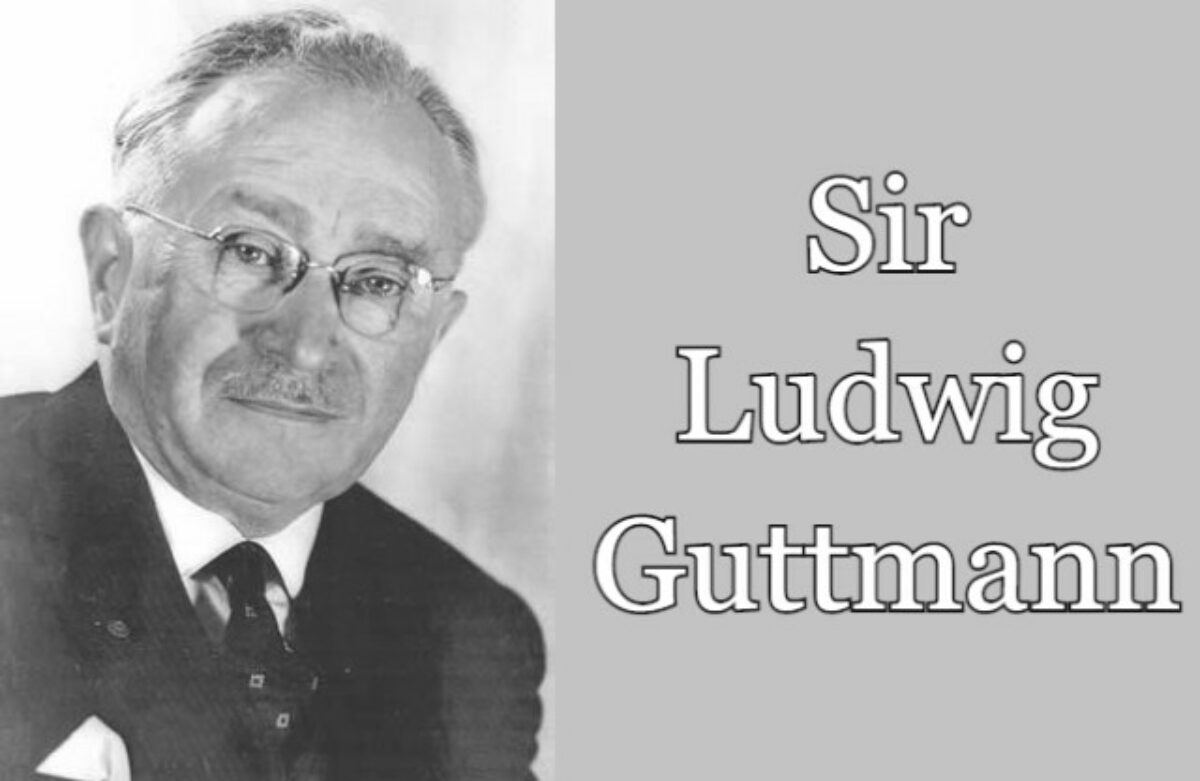
2. The man responsible for organising an athletic competition for disabled war veterans in 1948 (called the Stoke Mandeville Games) was 


a) Mr Goodwin                   b) Mr Somerville

c) Ludwig Guttmann d) Mr Hughes


3. In 1960, the first Paralympic Games were held in 


a) Auckland b) Rome

c) Sydney             d) Paris


4. List some of the disabilities that Paralympic athletes might have


→No arm’s, no leg’s, missing limbs, paralyised neck or arms and legs.


5. True or False: IPC stands for International Paralympic Committee 


a) True b) False


6. In the Summer Paralympic Games, athletes can compete in 


a) 5 sports             b) less than 3 sports

c) more than a dozen sports d) 8 sports


7. What is one of the goals of the IPC?


→The IPC helps the world respect people with disabilities 


5 fact's about the Paralympics


Paralympic Games

Fact 1 - The Paralympics is a event after the Olympics. 


Fact 2 - The Paralympics is held for people with disabilities.


Fact 4 - There is 528 event in the Paralympics and there’s only 306 events in the Olympics.


Fact 3 - The first Paralympics was in 1948 in a archery tournament.


Fact 5 -  The Paralympics is a successful sporting event for people with disabilities.


Friday, 20 August 2021

Research task about Olympics


These slide's contain information of IOC ( International Olympic Committee ) and former host countries.